The Dana Point Harbor Revitalization: What It Means for Residents, Buyers, and Long-Term Living
The Dana Point Harbor Revitalization is no longer just a long-term plan — it’s an active, visible transformation that is reshaping how people experience Dana Point.
For residents, buyers, and those considering a move to Dana Point, understanding what’s happening at the harbor — and what it actually means day to day — matters far more than renderings or headlines.
This article breaks down where the project stands today and how it’s already influencing lifestyle, walkability, and long-term perception of the city.
The Project Has Moved Beyond Infrastructure
For years, much of the harbor work happened behind the scenes.
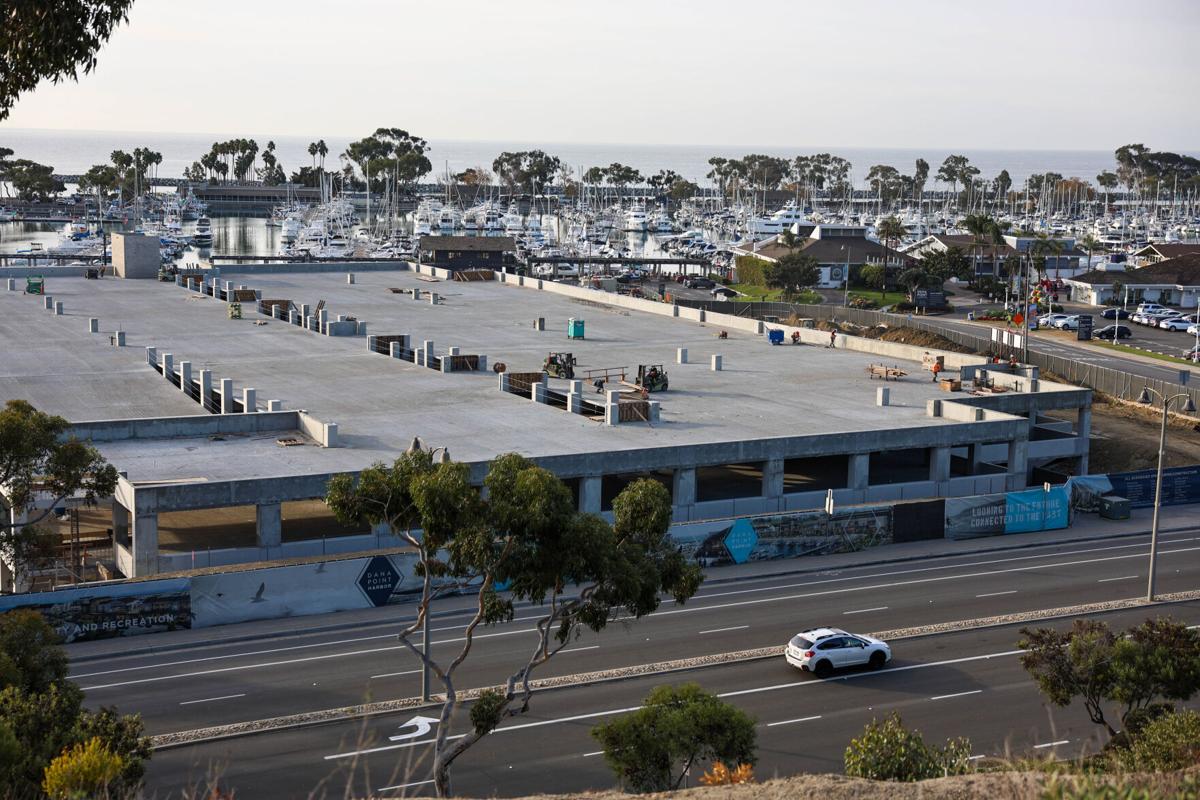
Phases 1 and 2 focused on infrastructure improvements, including the 984-stall parking structure and the redesigned Golden Lantern entry. Those elements are now complete and fully operational, quietly changing how people access and move through the harbor area.
As of 2026, the project has entered Phase 3: the Commercial Core, which is the most noticeable stage for residents and visitors alike.
This is where the harbor begins to feel different.
What “Phase 3” Means in Real Life
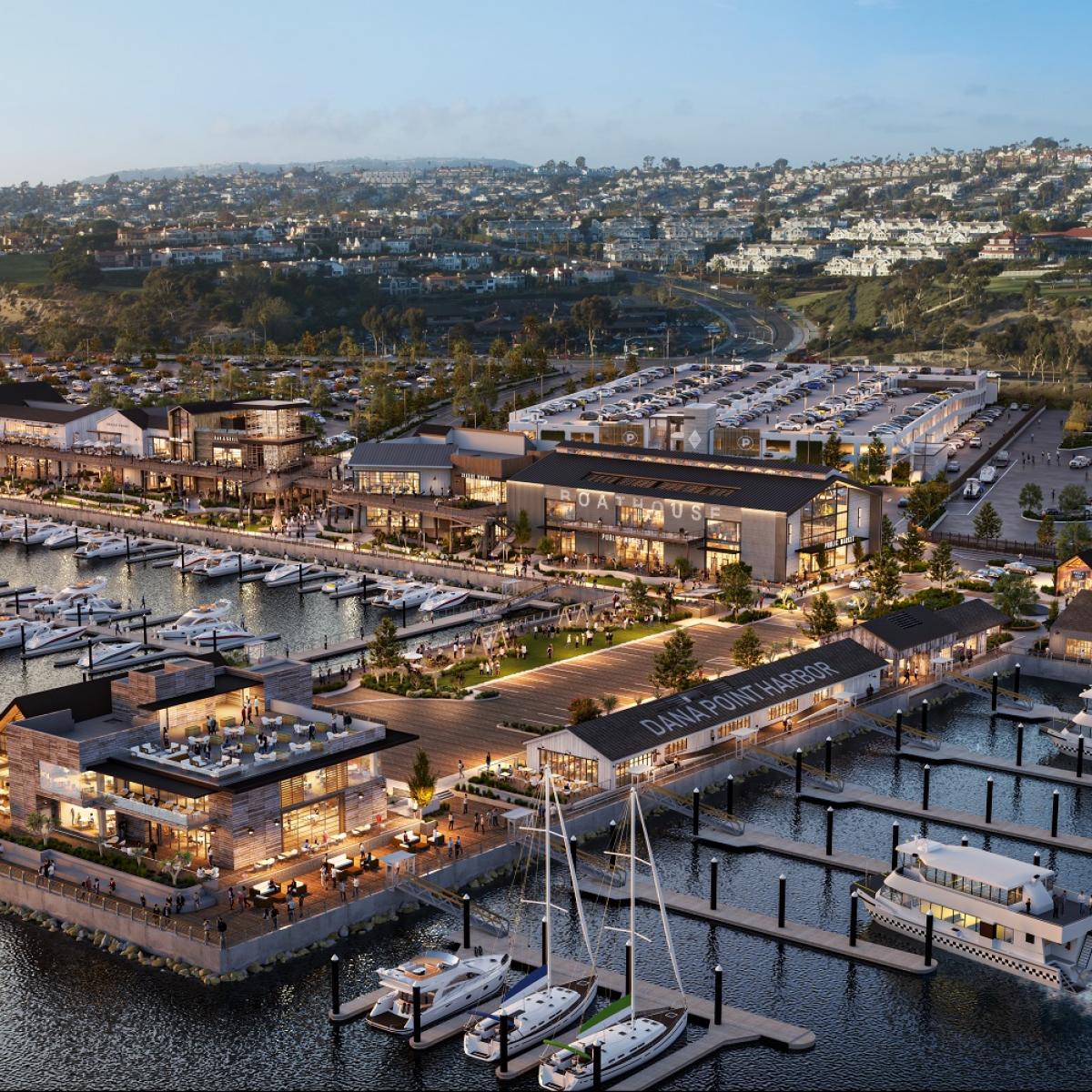
Phase 3 centers on the transformation of the waterfront commercial area into what will become Harbor Village.
While construction is disruptive in the short term, this phase marks the shift from preparation to visible change. Older structures are being cleared, walkways are being reimagined, and the connection between the harbor and surrounding neighborhoods is becoming more intentional.
For residents, this phase signals that the revitalization is no longer abstract — it’s happening in real time.
Walkability Is Becoming a Defining Feature
One of the most meaningful impacts of the harbor revitalization is how it’s changing walkability.
Improved access points, clearer pathways, and better connectivity are reshaping how people move between the harbor, the Lantern District, and surrounding areas. For many residents, this changes how often they visit the harbor and how integrated it feels into daily life.
Over time, walkability tends to influence not just lifestyle, but also how neighborhoods are perceived and used.
A Local Perspective on the Marina Improvements
While landside construction continues, the marina itself has already reached a major milestone.
More than half of the new concrete dock system is complete, and the West Basin has been revitalized with over 1,100 new slips. From a local perspective, this has shifted the harbor from something people talk about into something they actively use.
On a personal note, my family is now enjoying our new slip, and experiencing the harbor regularly has made the progress tangible. The improvements feel less like future plans and more like part of everyday life in Dana Point.
Why This Matters Long-Term
Harbor revitalizations don’t just change waterfronts — they change how cities function.
In Dana Point, the harbor is a central feature of identity, recreation, and community. As it evolves, it influences how residents spend time, how neighborhoods connect, and how buyers evaluate long-term livability.
The revitalization isn’t about turning Dana Point into something new. It’s about refining what already makes it special and ensuring the harbor supports the city for decades to come.
Final Thoughts
The Dana Point Harbor Revitalization is no longer a distant promise. It’s an active transformation that’s already shaping how people live, move, and connect with the city.
For anyone considering Dana Point — or planning to stay long-term — understanding this evolution provides important context for how the city is changing and why those changes matter beyond construction timelines.
About the Author
Leilani Serrao-Baker
Dana Point Real Estate Professional
Leilani Serrao-Baker
28202 Cabot Rd Ste 300
Laguna Niguel, CA 92677
(949) 444-9175
https://civitasrealtyca.com
Leilani Serrao-Baker is a Dana Point real estate expert specializing in helping buyers and sellers navigate the coastal Orange County market. With over 14 years of experience, she is known for helping clients make strategic, informed real estate decisions with a focus on long-term value.